
Generative AI is revolutionizing software development, content creation, business automation, and digital experiences across every industry.
Introduction
Generative AI has evolved from an experimental technology into an indispensable productivity tool. In 2026, businesses, developers, designers, marketers, educators, and creators are integrating AI into their daily workflows to automate repetitive tasks, generate high-quality content, accelerate software development, and improve customer experiences.
Rather than replacing people, modern Generative AI acts as an intelligent collaborator, enabling individuals and organizations to achieve more in less time.
What is Generative AI?
Generative AI refers to artificial intelligence capable of creating entirely new content instead of simply analyzing existing information.
It can generate:
- Text
- Images
- Videos
- Music
- Source Code
- Voice
- Documents
- Presentations
How Generative AI Works
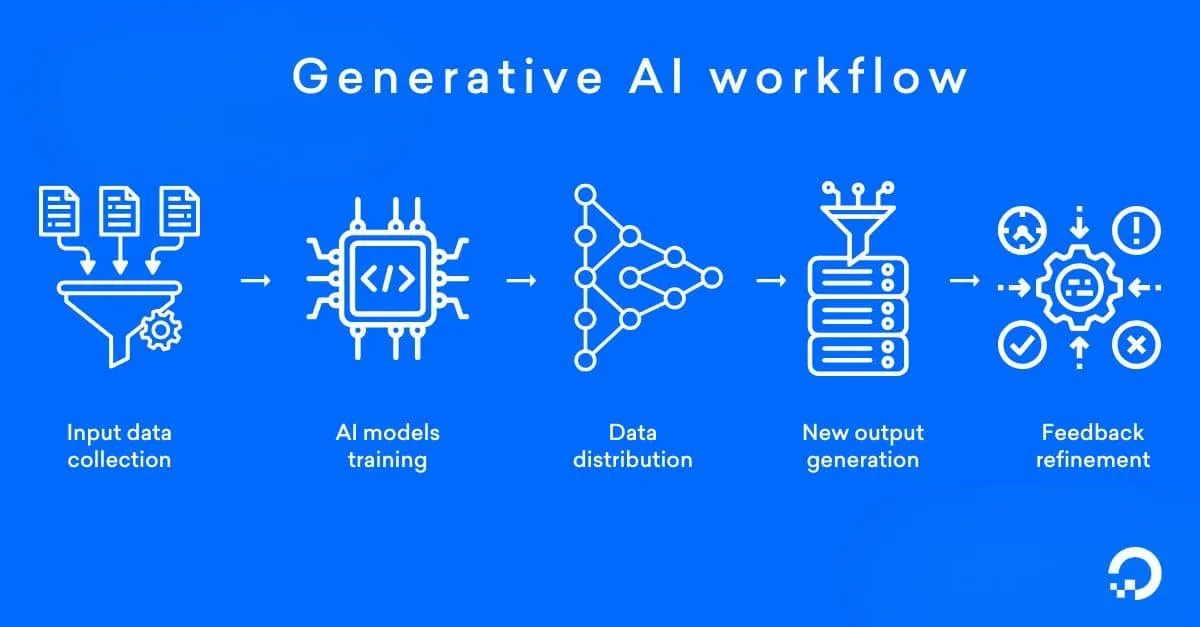
          User Prompt
               │
               ▼
      Large Language Model
               │
     ┌─────────┼─────────┐
     ▼         ▼         ▼
   Text      Images     Code
     ▼         ▼         ▼
 Content    Graphics   Software
Why Generative AI Matters in 2026
The latest generation of AI models has become significantly more capable.
Modern AI can:
- Understand natural conversations
- Write production-ready code
- Generate realistic images
- Analyze large documents
- Assist in research
- Create presentations
- Automate business workflows
- Support customer service
Businesses increasingly view AI as a productivity multiplier rather than just another software tool.
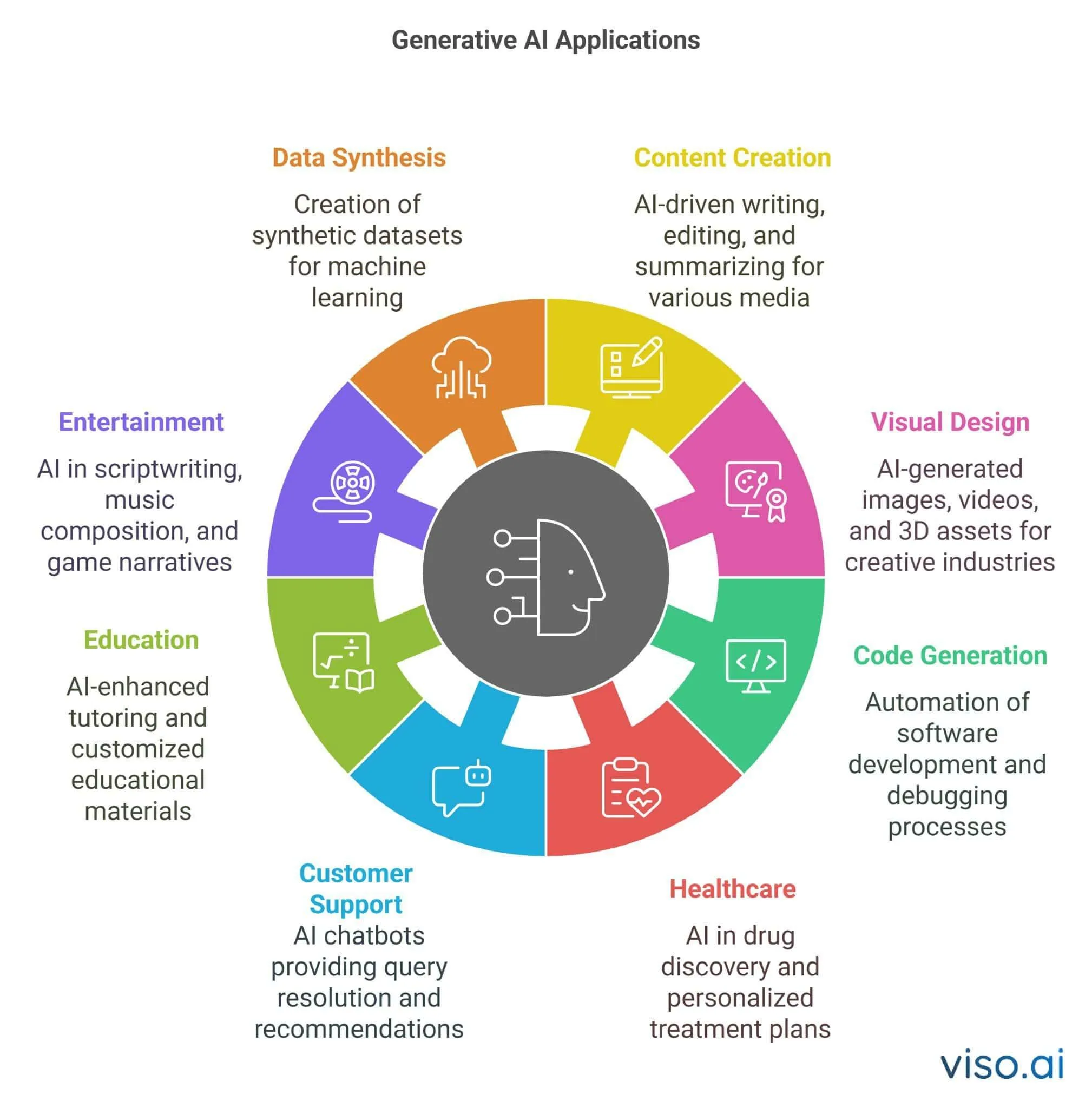
(Estimated enterprise adoption trend from 2022–2026.)
Key Features Driving the Generative AI Revolution
1. AI Coding Assistants
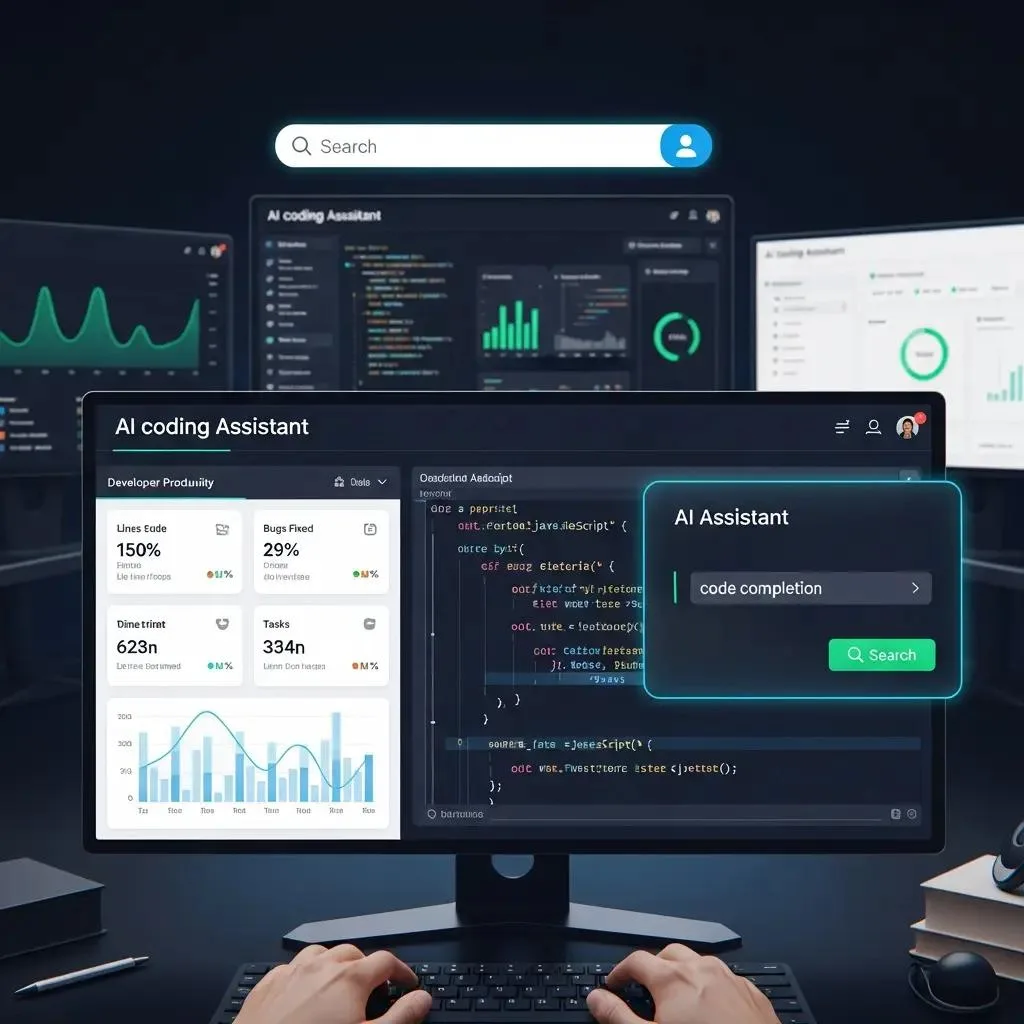
AI coding assistants help developers:
- Generate code
- Debug applications
- Explain algorithms
- Write tests
- Refactor legacy code
- Build APIs faster
Instead of replacing developers, AI handles repetitive work so engineers can focus on architecture, scalability, and innovation.
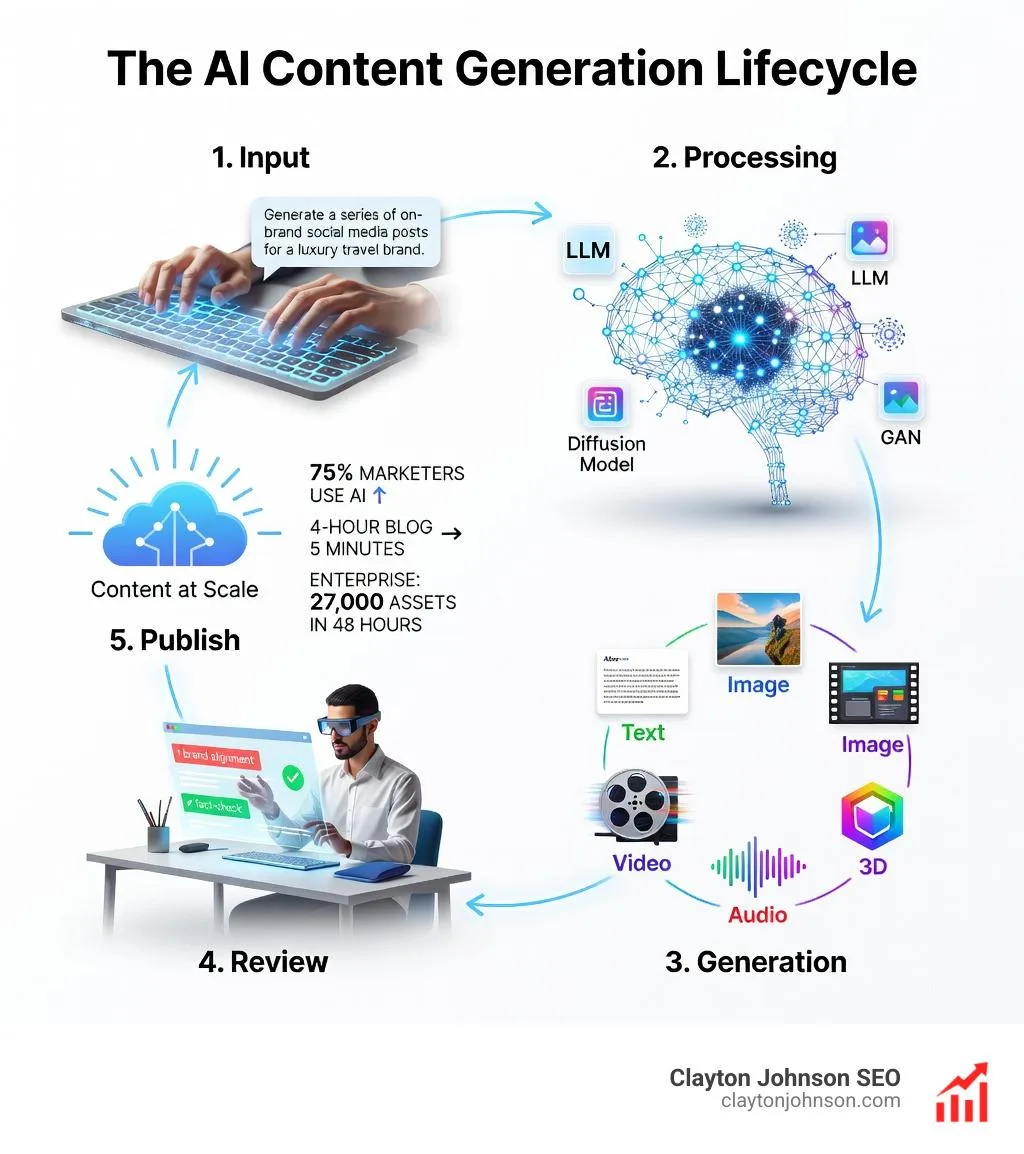
2. AI Content Creation
Illustration: AI creating blogs, emails, social media posts, and marketing content.
Content teams now use AI to generate:
- Blog posts
- Product descriptions
- Social media captions
- SEO articles
- Email campaigns
- Video scripts
AI dramatically reduces drafting time while humans refine and verify the final output.
3. AI Image & Video Generation
Generative AI can create:
- Marketing graphics
- Product mockups
- Logos
- Concept art
- Promotional videos
- Social media creatives
This empowers startups and creators to produce professional-quality assets without large design teams.
4. AI Research Assistants
Modern AI systems can summarize reports, analyze documents, extract insights, and assist with complex research tasks, helping professionals make informed decisions more efficiently.
5. AI Agents & Workflow Automation
- Workflow Diagram
Customer Request
        │
        ▼
     AI Agent
        │
 ┌──────┼──────────┐
 ▼      ▼          ▼
CRM   Calendar   Database
 ▼      ▼          ▼
Generate Reply → Send Email
Unlike traditional chatbots, AI agents can:
- Plan tasks
- Use external tools
- Read documents
- Search the web
- Generate reports
- Automate workflows
This marks a major shift toward intelligent business automation.
Generative AI Across Industries
Infographic: AI applications across industries.
Healthcare
- Clinical documentation
- Patient communication
- Research assistance
Finance
- Fraud detection
- Financial reporting
- Risk analysis
Education
- Personalized tutoring
- Lesson planning
- Student assessments
E-commerce
- Product descriptions
- Customer support
- Personalized recommendations
Software Development
- Code generation
- Testing
- Documentation
- API integration
Benefits vs Challenges
| Benefits | Challenges |
|---|---|
| Faster development | Hallucinations |
| Lower operational costs | Privacy concerns |
| Higher productivity | Copyright issues |
| Better customer support | AI bias |
| Improved automation | Security risks |
Organizations should implement governance policies, verify AI-generated content, and ensure sensitive information is handled responsibly.
Best Practices for Using Generative AI
- Write clear and specific prompts.
- Verify AI-generated content before publishing.
- Protect confidential information.
- Combine AI assistance with human expertise.
- Keep humans involved in important decisions.
- Stay informed about evolving AI capabilities.
The Future of Generative AI
Featured Illustration: Humans collaborating with advanced AI assistants in a futuristic workplace.
The next generation of AI will bring:
- Smarter AI agents
- Better reasoning capabilities
- Highly personalized experiences
- Seamless multimodal interactions
- Greater focus on responsible and transparent AI
Generative AI is expected to become deeply integrated into everyday software, transforming the way we work and innovate.

About the author
AI
ShareCode community contributor. Community posts are reviewed by the ShareCode editorial team before publication.
Want to share what you've learned? Write for the ShareCode blog →
Try it now
Open a shared code space
Paste code from this article into a ShareCode editor, share the link, and walk through it with someone in real time — free, no sign-up.
Open a code space →